
Every car interior tells a story. Maybe it’s the coffee that slid off the dashboard during a hard stop, the muddy footprints from a weekend hike, or the mystery smudge on the back seat that nobody in the family will own up to. Fabric seats and carpeted floors soak up these moments, and over time they can make a perfectly good vehicle look tired.
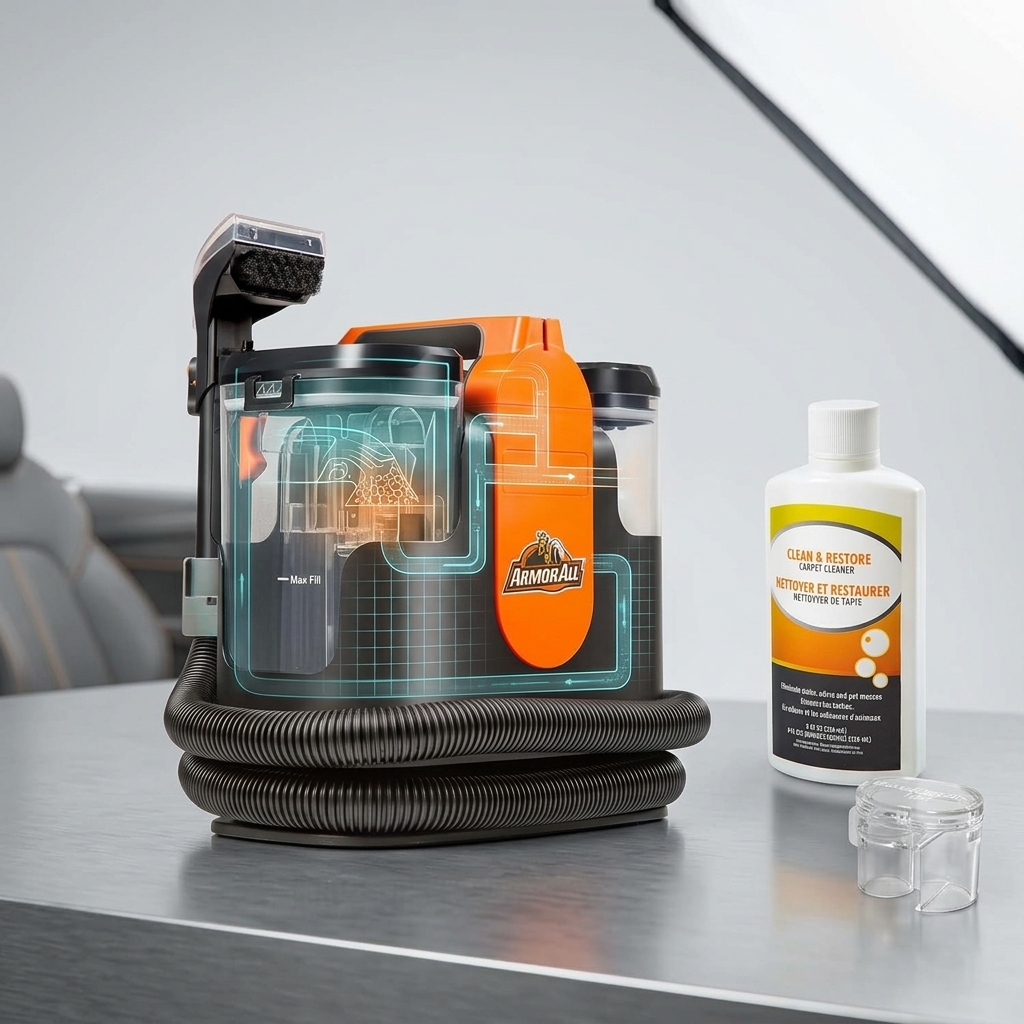
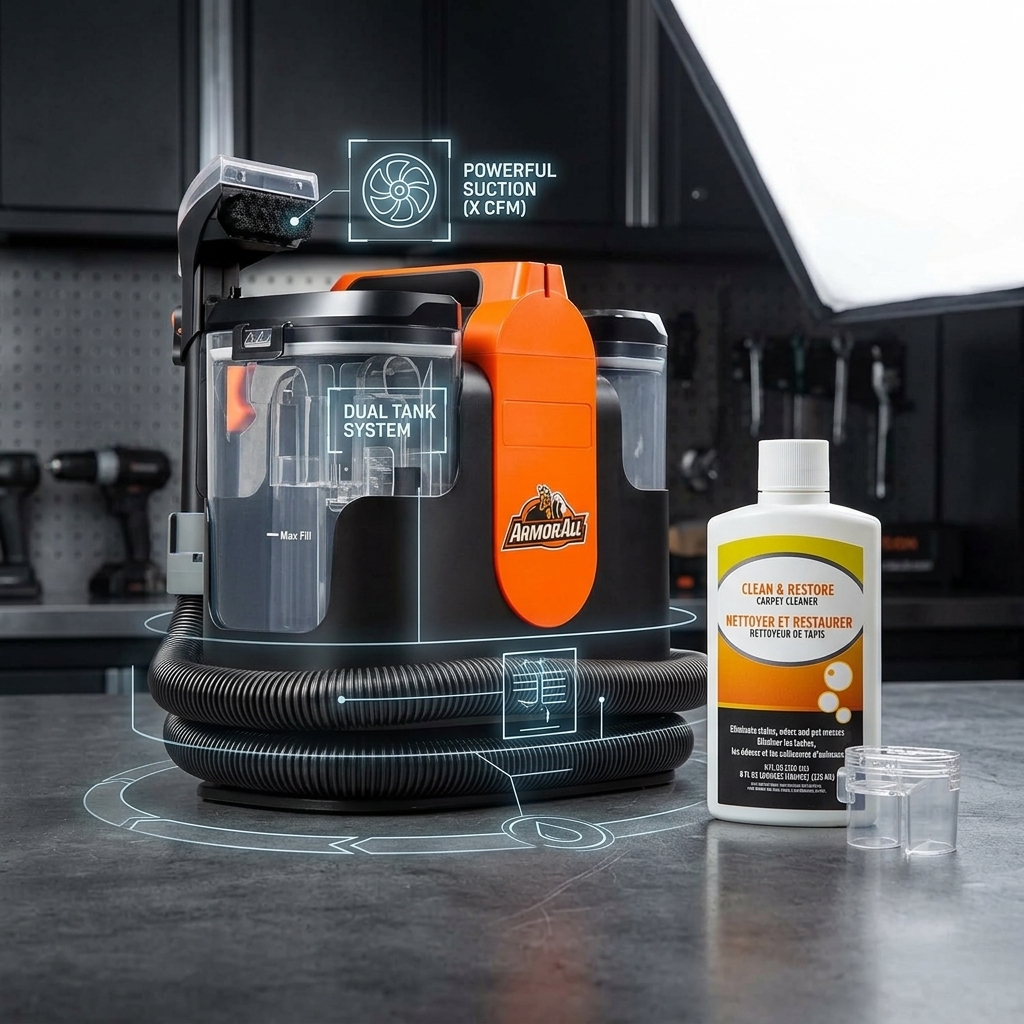
This guide looks at the Armor All SCC301 0901 Upholstery & Carpet Auto Detailing Spot Cleaner. It covers what this kind of product is designed to do, how people commonly use spot cleaners like it, who might find it useful, and what to think about before adding one to your cleaning routine. The goal is to help you decide whether a product in this category fits your situation, not to tell you what to buy.
Why Car Upholstery and Carpet Need Their Own Kind of Cleaner
It’s tempting to grab whatever household cleaner is under the sink and go to work on a stain. Automotive interiors, though, aren’t quite the same as a living room sofa or a bedroom rug.
Car seat fabrics are engineered for durability, heat resistance, and abrasion, since they have to handle sunlight streaming through the glass, temperature swings from freezing mornings to sweltering afternoons, and constant friction from getting in and out. Floor carpeting is typically a dense, low-pile material built to take a beating from shoes, floor mats, and whatever gets tracked in.
Because of this, products made specifically for automotive upholstery are usually formulated with these surfaces in mind. That doesn’t automatically make them superior to every alternative, but it does mean they’re designed around the materials you’re actually dealing with. Armor All is a long-standing name in car care, and this spot cleaner sits in a category that has become a staple of many glove-compartment-adjacent cleaning kits.
What Is the Armor All Upholstery & Carpet Spot Cleaner?
In simple terms, this is a ready-to-use cleaning product intended for spot treatment on automotive fabric surfaces, including seat upholstery and carpeted areas. Rather than being a full-blown deep-cleaning system that requires machines or extensive prep, it’s meant for targeted attention: you find the stain, treat that area, and move on.
That “spot cleaner” label matters. Products in this category are generally positioned for localized messes rather than entire-interior overhauls. If you’re dealing with a specific spill or a handful of problem areas, a spot cleaner is often the more proportionate tool. If your whole interior has years of accumulated grime, you may want to think about a more comprehensive approach, something we’ll return to later.
Because packaging sizes, formulations, and listing details can change over time, it’s worth checking the current product page for the latest specifications, size, and usage directions rather than relying on any secondhand summary, including this one.
Key Features Worth Knowing About
Below are the characteristics typically associated with this type of product and the way it’s presented. Always confirm specifics against the label and the current listing.
Designed for Automotive Fabric and Carpet
The most basic feature is the intended use. This cleaner is aimed at upholstery and carpet in vehicles, which covers a large portion of the soft surfaces inside a typical car, truck, SUV, or minivan.
Spot-Treatment Format
Spot cleaners are usually packaged so you can apply product directly to a problem area without drenching the surrounding material. That kind of precision can be useful. Oversaturating car upholstery is a common cause of lingering dampness, and targeted application helps limit how much moisture goes into the seat cushion or carpet padding.
Easy, Low-Equipment Approach
One appeal of a product like this is simplicity. Many people don’t want to rent a steam cleaner or haul out a wet-dry vacuum just to address a single stain. A spot cleaner typically pairs with tools you probably already have: a clean cloth or microfiber towel, and perhaps a soft-bristle brush.
Part of a Recognizable Car Care Line
Armor All has been around for decades and offers a wide range of interior and exterior care products. For some buyers, familiarity with a brand offers a measure of comfort, though brand recognition alone shouldn’t replace reading the label and considering your own needs.
Aimed at Everyday Messes
Product descriptions in this category usually reference common household-and-road stains, the sort of thing that happens when real people use their cars in real life. That could include food and drink spills, dirt, and general soiling. Results vary depending on how old a stain is, what caused it, and what the material is made of.
How It Can Be Used: Practical Ideas and Techniques
The exact directions printed on the product always take priority. That said, here’s a general framework that reflects how spot cleaning is commonly approached on automotive fabric, which may help you think through the process.
Step 1: Remove Loose Debris First
Before any liquid touches the surface, vacuum the area thoroughly. Crumbs, sand, pet hair, and dry dirt can turn into muddy streaks once moisture is introduced. A crevice tool helps reach seams and the gaps beside the seat rails.
Step 2: Do a Patch Test
This is the step people skip and sometimes regret. Choose a hidden spot, such as the underside of a seat, a section of carpet beneath a floor mat, or the back of a headrest, and test the product there first. Let it dry and check for color changes, texture differences, or any other unwanted effects. Automotive fabrics vary widely, and what works on one may behave differently on another.
Step 3: Apply According to the Label
Follow the directions for application distance, amount, and dwell time. Generally, less is more with spot cleaners. You can always apply a little more, but you can’t easily take back an excess that has soaked into foam padding.
Step 4: Agitate Gently
Many stains respond better when the cleaner is worked into the fibers a little. A soft-bristle brush or a microfiber cloth used in light circular motions is a common approach. Scrubbing too aggressively can fuzz up the fabric or push the stain deeper, so patience tends to beat force.
Step 5: Blot, Don’t Rub
Once the cleaner has had time to work, press a clean, dry towel onto the area to lift the loosened residue. Blotting pulls material up and out, while rubbing can spread it around. Switch to a clean section of towel as it picks up soil.
Step 6: Let It Dry Fully
Open the doors or windows, or park somewhere with airflow, to help the area dry. Proper drying matters because lingering moisture in seat foam or carpet padding can lead to musty odors. On a humid day, running the vehicle’s fan or leaving the car in a ventilated space can help.
Step 7: Reassess and Repeat if Needed
Some stains need a second pass, especially older ones. If a mark is still visible after the area dries, repeating the process once or twice is often reasonable. Stubborn or set-in stains may not respond completely, and that’s a normal limitation of spot treatment rather than a flaw unique to any one product.
Situations Where Spot Cleaners Often Come Into Play
- Coffee and soda drips on the driver’s seat or center console area
- Muddy or sandy footprints on the floor carpet
- Food crumbs and sticky residue in a back seat where kids or pets ride
- Light soiling on seat bolsters where clothing rubs
- Pre-sale or pre-trade-in touch-ups when you want an interior to look tidier
- Rideshare or delivery vehicles where small messes crop up regularly
Who It May Be Suitable For
A spot cleaner isn’t right for every situation, but it can make sense for several types of vehicle owners.
Parents and Caregivers
Anyone who regularly transports children knows how quickly juice, snacks, and mysterious sticky patches appear. Keeping a spot cleaner accessible can make it easier to address a spill soon after it happens, which is often when stains are most manageable.
Pet Owners
Dogs and cats bring their own brand of chaos: paw prints, drool, dirt, and hair. A spot cleaner may help with some surface-level messes, although pet odors or accidents can sometimes require dedicated enzymatic products. It’s worth checking whether the label addresses odors at all.
Commuters and Daily Drivers
If you eat breakfast or sip coffee on the road, small spills are almost a statistical certainty. A quick-response cleaner can help keep minor incidents from becoming permanent fixtures.
Rideshare and Delivery Drivers
For people who use their vehicles for work, interior presentation can matter. Spot treatment between passengers or at the end of a shift is one way to keep things looking tidy.
Used-Car Shoppers and Sellers
Buyers of pre-owned vehicles sometimes discover small blemishes in the interior, and sellers often want to freshen things up before listing. A spot cleaner is a modest, low-commitment option for addressing isolated marks.
DIY Detailing Hobbyists
People who enjoy caring for their cars often build a collection of specialized products. A spot cleaner can be one piece of that toolkit, used alongside vacuums, brushes, protectants, and glass cleaners.
Important Things to Consider Before Using It
A balanced look at any cleaning product should include its limits. Here are some factors worth weighing.
Material Compatibility
This is probably the single most important consideration. Automotive interiors can include cloth, microfiber, carpet, vinyl, leather, suede-like materials such as Alcantara, and blended fabrics. A cleaner intended for fabric and carpet isn’t necessarily appropriate for leather or specialty materials. Read the label carefully to confirm which surfaces are suitable, and avoid using it on anything the manufacturer doesn’t recommend.
Stain Type and Age
Fresh spills are generally easier to deal with than stains that have been baking in the sun for months. Certain substances, such as ink, dye transfer from clothing, grease, or some food colorings, can be particularly difficult. No spot cleaner is guaranteed to remove every mark, so setting realistic expectations is wise.
Ventilation and Safety
When using any chemical cleaning product inside a vehicle, good airflow is important. Keep the doors open, avoid breathing in mist directly, and follow any safety precautions printed on the packaging. Keep the product out of reach of children and pets, and check the label for first-aid and storage guidance.
Residue and Over-Application
Using too much product can leave residue that attracts dirt later, or leaves the fabric feeling stiff. If you notice this, blotting with a clean, damp cloth (per the manufacturer’s guidance) and letting the area dry thoroughly may help. Again, small amounts and gradual application reduce the risk.
Moisture Management
Seat cushions are essentially foam, and foam holds water. If an area stays damp for too long, odors or even mildew can develop. Good drying practices matter as much as the cleaning itself.
Color and Fabric Changes
Even with careful use, some fabrics may show lightening, water rings, or texture changes after cleaning. This is why the patch test is worth the extra two minutes.
Scale of the Job
A spot cleaner is meant for spots. If your whole interior is heavily soiled, a single bottle may not stretch far enough, and a more thorough method could be more efficient. Think about how much area you expect to treat.
Current Product Details
Formulations, packaging, scent, and directions can be updated by manufacturers. Reading the most current label and listing information helps ensure you’re working from accurate details.
Comparing General Categories of Interior Cleaning Options
Rather than pitting one brand against another, it may be more useful to compare the broad types of solutions available for cleaning car fabric and carpet. Each has its place.
Ready-to-Use Spot Cleaners (Like This One)
Strengths: Convenient, targeted, minimal equipment, suitable for quick responses to accidents.
Limitations: Less efficient for large areas or deeply embedded grime; results depend on stain type and age.
All-Purpose Interior Cleaners
Strengths: Versatile, often usable on multiple surfaces such as plastic, vinyl, and sometimes fabric.
Limitations: Not always optimized for fabric; some may not be recommended for upholstery, so label-checking is essential.
Concentrated Upholstery Shampoos and Carpet Extractor Solutions
Strengths: Well-suited to deep cleaning; often used with extractors or machines that flush out dirt and moisture.
Limitations: Usually require more equipment, time, and setup; may be overkill for a single spill.
Foaming Cleaners
Strengths: The foam can lift surface soil with limited moisture, which may help with drying time.
Limitations: May require careful wiping to avoid residue; performance varies by formulation.
Enzyme-Based Cleaners
Strengths: Commonly associated with organic stains and odors, such as pet accidents or food spills, since enzymes are designed to break down biological material.
Limitations: May not be the ideal choice for non-organic stains like grease or ink; dwell time can be longer.
Steam Cleaning and Professional Detailing
Strengths: Can address widespread soiling and odors; professionals bring experience and specialized equipment.
Limitations: Higher cost in time or money; not always necessary for minor problems.
Homemade Solutions
Strengths: Convenient if you already have ingredients on hand.
Limitations: Inconsistent results, and some household substances can damage or discolor automotive fabrics. Testing is especially important here.
The point isn’t that any single option is universally right. A spot cleaner tends to shine in the “quick, localized, low-effort” scenario, while other methods are better fits when the job is bigger or the stain is of a particular type.
Tips for Keeping Your Car Interior Cleaner Between Deep Cleanings
Stain removal is only half the story. Prevention goes a long way.
- Use quality floor mats. All-weather mats catch mud, salt, and spills before they reach the carpet. Removable mats are also easy to hose off.
- Vacuum regularly. Loose grit acts like sandpaper on fibers over time, and removing it helps fabrics last longer.
- Keep a small cleanup kit. A microfiber towel, a few paper towels, and a spot cleaner stored in the car make it easier to act quickly.
- Address spills right away. The sooner you blot a fresh spill, the less opportunity it has to penetrate the fibers.
- Consider seat covers. For kids, pets, or work vehicles, washable covers can shield the original upholstery.
- Limit food and drink where possible. It sounds obvious, but a simple “no open drinks in the back seat” policy can prevent many headaches.
- Mind the sun. UV exposure can fade fabrics; window shades or tinted glass can help protect interiors.
Frequently Asked Questions
Is a spot cleaner the same as a full upholstery cleaner?
Not exactly. A spot cleaner is designed for targeted treatment of specific stains, while a full upholstery cleaner or shampoo is typically intended for broader areas and often paired with brushes or extraction equipment. Some products blur the line, so check the label to see how the manufacturer describes the intended use.
Can I use it on leather seats?
Products intended for upholstery and carpet aren’t necessarily appropriate for leather. Leather generally requires cleaners and conditioners made specifically for it. Always confirm on the product label which surfaces are recommended, and avoid using a fabric cleaner on leather unless the manufacturer explicitly says it’s acceptable.
Will it remove every stain?
No product can promise that. Factors like the type of stain, how long it has been there, the fabric, and whether it has been treated before all influence the outcome. Fresh, surface-level messes tend to be more cooperative than old, set-in ones.
How do I avoid water rings or marks after cleaning?
Water rings can appear when an area is cleaned unevenly or dries with a visible boundary. Feathering the edges of the treated area, blotting thoroughly, and allowing ample drying time can help. Some people also lightly blend the perimeter with a damp microfiber cloth, as long as this aligns with the label directions.
How long does it take for upholstery to dry?
Drying time depends on how much product and moisture were used, the temperature, humidity, and airflow. Light treatments in warm, ventilated conditions dry faster, while heavier applications in damp weather can take noticeably longer. Give it the time it needs before sitting on the seat or putting the floor mats back.
Is it safe to use around kids and pets?
Safety information is included on the product label, and it’s important to read it. As a general practice with any cleaning product, keep children and pets away from the area during application and until it has dried, ventilate the vehicle, and store the product securely afterward.
Can I use it on the headliner?
Headliners are often attached with adhesive that can be sensitive to moisture. Many detailers recommend extra caution in this area, using very little product and applying it to a cloth rather than directly to the surface. Check the label and consider whether professional help would be wiser for delicate headliner stains.
Should I test it first even if I’m in a hurry?
Testing in an inconspicuous spot is widely recommended for any cleaner. It takes only a few minutes and can save you from a visible problem on a prominent seat or carpet area.
Does it help with odors?
Some cleaning products may reduce odors by removing the source of the smell, but not all are formulated to address odors specifically. If you’re dealing with a persistent smell, such as smoke or pet accidents, you may need a dedicated odor-treatment approach in addition to cleaning.
How does it fit into a larger detailing routine?
A typical routine might start with vacuuming, then spot-treating stains, followed by wiping down hard surfaces, cleaning glass, and finally applying protectants where appropriate. A spot cleaner handles one stage in that sequence and works best alongside other steps.
A Few Final Thoughts on Choosing an Interior Cleaner
When you strip away the marketing language that surrounds most car care products, the decision usually comes down to a few simple questions. What kind of surface are you cleaning? How big is the problem? How much time and effort do you want to invest? And how realistic are your expectations?
If you’re dealing with occasional stains on cloth seats or carpet and want a straightforward, low-equipment way to address them, a spot cleaner like the Armor All Upholstery & Carpet Spot Cleaner is the kind of product that fits that profile. If your interior needs a top-to-bottom refresh, a different method may suit you better. And if your seats are leather or a specialty material, it makes sense to look for something made for those surfaces.
Whatever you choose, a few habits make the biggest difference: read the label, test in a hidden area, use modest amounts, blot rather than scrub, and let everything dry completely. These small steps matter more than the brand name on the bottle.
Conclusion
Keeping a car interior presentable isn’t about perfection. It’s about managing the small, inevitable messes of daily life before they become permanent reminders. Spot cleaners occupy a practical niche in that effort, offering a convenient way to handle isolated stains on fabric seats and carpet without a lot of gear or fuss.
The Armor All SCC301 0901 Upholstery & Carpet Auto Detailing Spot Cleaner is one option in that category, and understanding what it’s designed for, where its limits lie, and how it compares with other approaches can help you decide whether it belongs in your car care routine. As always, the manufacturer’s label and instructions are the most reliable source for how to use it safely and effectively.